Bird Friendly Communities
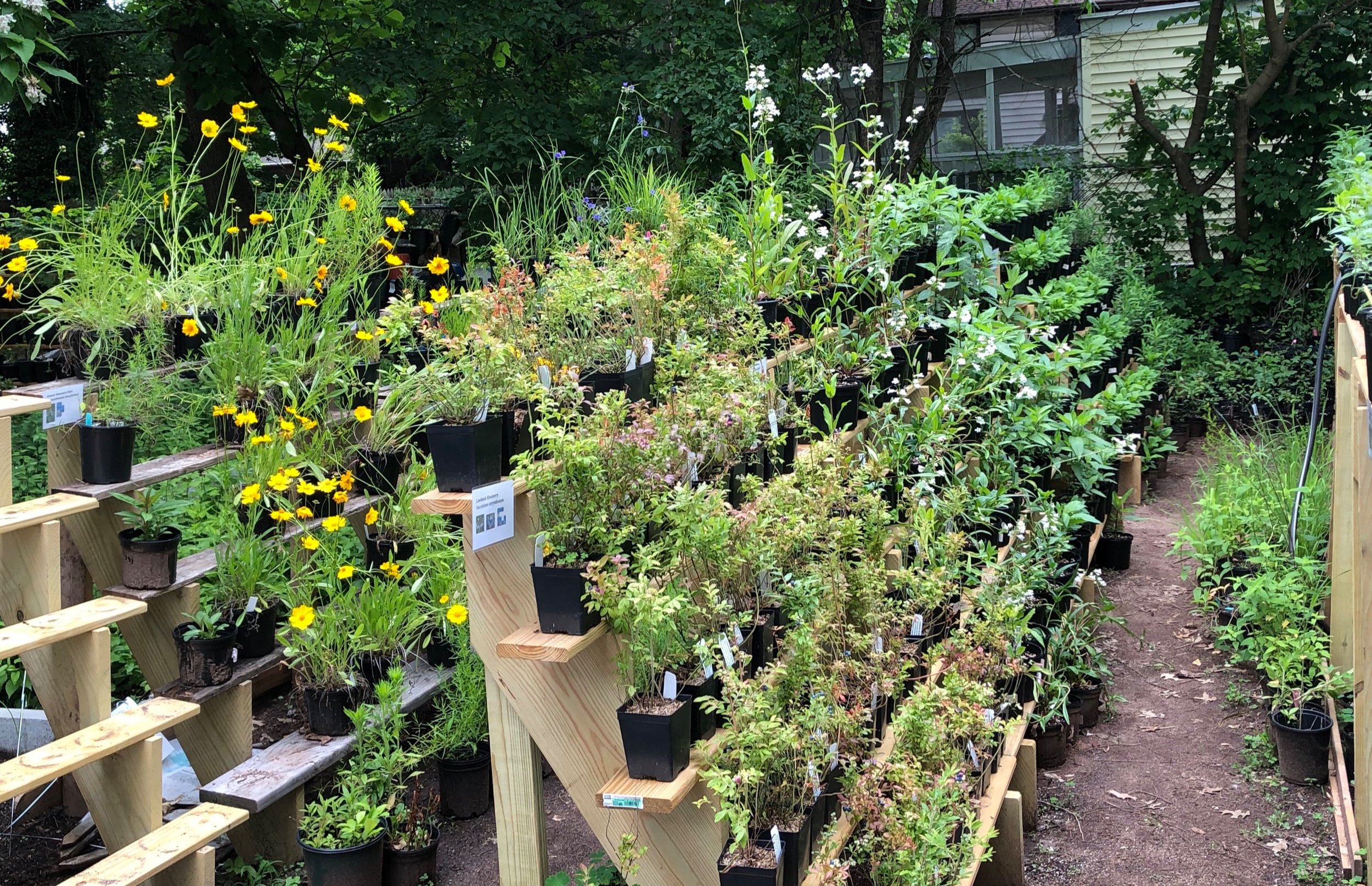
Gardens are outdoor sanctuaries for birds, insects, and other wildlife. Native plants are best at providing what they need.
Menunkatuck Audubon Society
Supporting measures to protect wildlife and the environment
Gardens are outdoor sanctuaries for birds, insects, and other wildlife. Native plants are best at providing what they need.
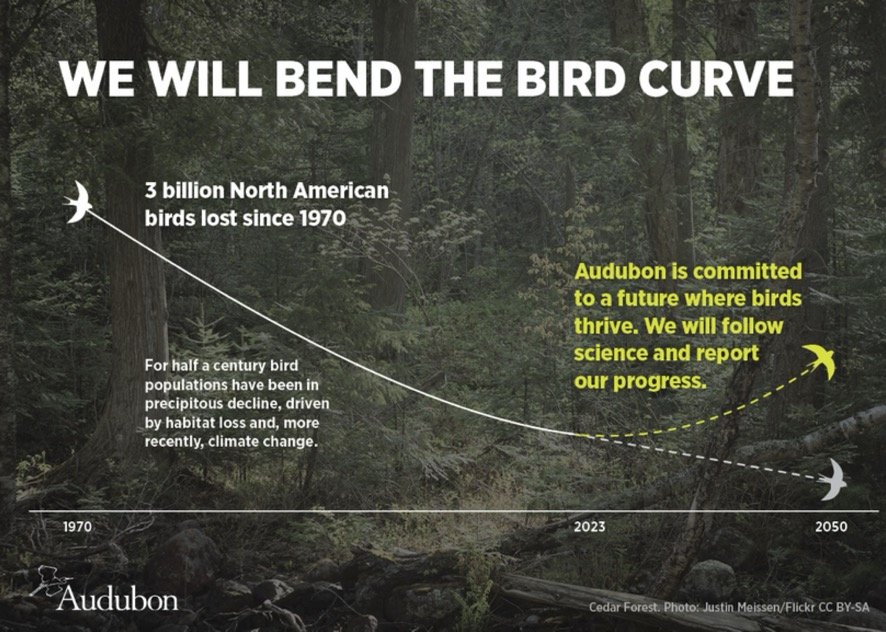
This year the Connecticut State Legislature is meeting in a “long session”. Audubon has several areas in which legislation is sought to protect birds and the places they need. Among these are legislation regarding:
Regulating neonicotinoids for non-agricultural use
Expanding nature based solutions
Protecting vulnerable communities from climate change by supporting urban forestry and community interest in tree planting and maintenance, parks, and/or community gardens in densely populated areas
Join us as we host Robert LaFrance, Director of Policy for Audubon Connecticut, for a discussion of these and other legislative initiatives and learn what you can do to help getting them passed. Before joining Audubon, Rob had a long career with DEEP as its legislative liaison and brings long relationships with legislators to Audubon.
Every February, for four days, the world comes together to celebrate birds during the Great Backyard Bird Count (GBBC). During this period, we invite people to spend time in their favorite places watching and counting as many birds as they can find and reporting their sightings. These observations help scientists better understand global bird populations before one of their annual migrations. Learn more about the GBBC in this short video.
Counting birds is as easy as 1, 2, 3.
Count birds anywhere you like for at least 15 minutes or as long as you want. Keep track of the types of birds you see and how long you watch.
Estimate the number of birds you saw of each species. For example, 5 Northern Cardinals, 3 American Crows. Large flocks can be difficult, but your best estimate is still helpful.
Submit your list(s) online at www.birdcount.org.
Put in a new checklist:
for each new day
for each different location
for the same location, same day, if you counted at a different time of day
Note: There are 3 ways to enter your bird lists at www.birdcount.org
If you've never taken part in the Great Backyard Bird Count before, or haven't done so since before 2013, you’ll need to create an account. The Merlin Bird ID app, eBird Mobile app, or eBird.org will guide you through the account setup process. You'll be asked to enter your name and email address, and to select a username and password. Providing additional profile details is optional.
The Shepaug Dam Bald Eagle Observation Area has provided visitors with views of wintering Bald Eagles for 30 years. The Shepaug Hydroelectric Station keeps the water below the dam to be ice-free in winter and the churning water brings fish close to the surface making it a place that Bald Eagles are able to find food in the coldest of winter.
We will be at the observation area for about an hour. There are no facilities besides porta-potties. Dress warmly in layers. Bring lunch, binoculars, and cameras.
The drive time between Shepaug Dam and the Menunkatuck chapter towns is between 45 and 75 minutes.
Space is limited to 20 participants so reservations are required. For more information email Carl Harvey at carl@menunkatuck.org.